

Back-to-School Anxiety: Why It Often Shows Up After the First Day
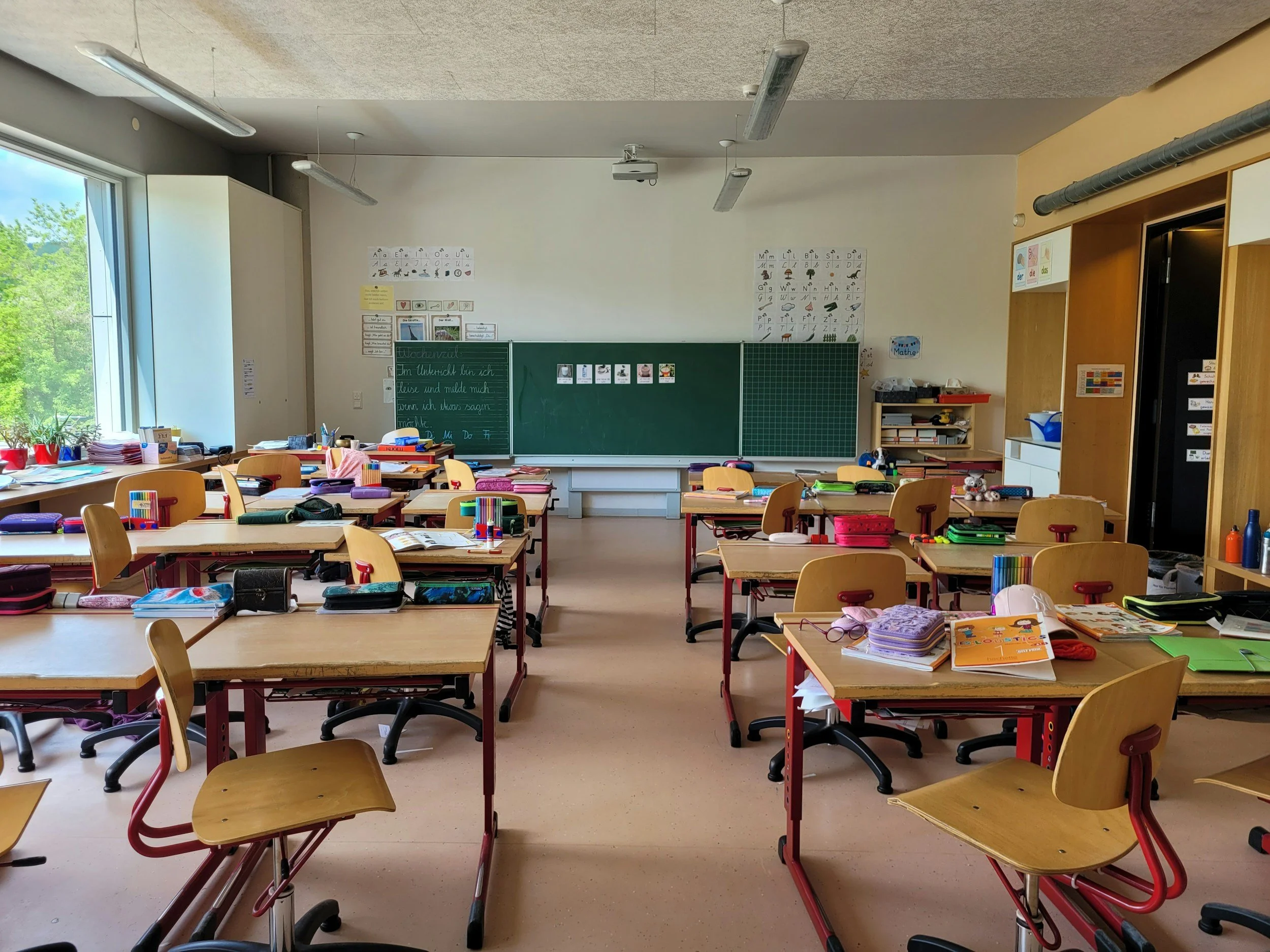
The first day of school has come and gone — and for a lot of families, that's not when the anxiety shows up.
By now, the classroom isn't new anymore. The routine has settled in. So why does it feel harder now than it did in September?
Your child is more irritable. Your teenager can't fall asleep. You're worrying more than you'd like to admit. None of this means something has gone wrong. A new school year is a real transition, and transitions bring uncertainty even when nothing bad is happening — anxiety just doesn't always show up on cue. Sometimes it surfaces once things have quieted down enough for you to notice it.
Why does a new year stir this up?
Anxiety gets talked about as fear, but underneath it, it's usually about uncertainty. Will I fit in? Can I keep up? What if I get this wrong?
Kids and teens don't always have words for questions like these, so anxiety comes out sideways — irritability, avoidance, stomachaches, trouble sleeping, sudden refusal to go to school.
Adults aren't exempt either. A new school year means rearranging schedules, managing someone else's activities, and adjusting to new expectations, all while still holding your own needs somewhere in the mix. What looks like "school stress" is often just several changes landing at once.
Feeling anxious isn't the same as having an anxiety disorder
A certain amount of anxiety is useful — it keeps us alert and points our attention toward what matters. The more useful question isn't "am I anxious?" It's "what is this anxiety doing in my life right now?" Is it helping you prepare for something? Or is it starting to interfere with sleep, relationships, or daily functioning?
That distinction matters, because therapy isn't about erasing every uncomfortable feeling. Sometimes the work is building a different relationship with the anxiety itself.
When the familiar disappears
Routine gives us a sense that we know what's coming. Summer loosens that structure; school brings it back fast. For some, that's grounding. For others, it feels like demands piling on all at once — and the nervous system has to catch up.
A young child is relearning classroom routines. A teenager is finding new social footing. You, the parent, might be running on a completely different rhythm than you were a month ago. The coping strategies that used to work can suddenly feel like they're not enough. That's not falling behind — it usually just means you're still adjusting.
The pressure to "do well"
A lot of anxiety isn't about the demand itself — it's about what we've decided that demand means about us. "I want to do well" can quietly become "if I don't, I'm not good enough." "I want my kid to do well" can become "if they're struggling, I must be failing them."
Perfectionism travels with anxiety for exactly this reason — when mistakes feel unacceptable, ordinary challenges start to feel like threats. Naming that pattern tends to help far more than being told to "just stop worrying."
A trauma-informed, person-centered lens
Anxiety isn't something to judge or shut down quickly — it's something to get curious about. A new school year can be especially hard for someone who's had a rough experience with school before, even in an environment that's genuinely safe now.
And anxiety doesn't look the same from person to person. For one child it's academic pressure; for another, it's social; for someone else, it's separation, identity, or a quieter fear of not belonging. Instead of asking only "how do we make this go away," it's worth asking "what is this anxiety telling us about what matters to this person?" Often it's pointing to something real — a need for connection, safety, or a sense of choice.
What actually helps
Approaches like CBT, ACT, exposure-based work, and mindfulness all have solid evidence behind them — which one fits depends on the person's age, history, and needs. The goal isn't teaching someone to "calm down" on command. It's helping them understand their own anxiety, build flexibility in how they respond to it, and keep showing up for what matters to them.
When it's worth reaching out
Some anxiety during a transition is expected. It's worth paying closer attention when it's persistent or getting in the way of daily life — ongoing sleep trouble, repeated avoidance of school, frequent reassurance-seeking, trouble concentrating, withdrawal from friends, or worry that hasn't eased well past the initial adjustment period. None of this automatically means a disorder is present — it just means it's worth a closer look.
You don't have to have it all figured out yet
There's an unspoken expectation that comes with a new school year: you should be settled in by now. But adjustment doesn't run on a calendar. Some people need more time, or more support — and what looked like ordinary school stress can turn out to be something deeper about belonging or self-worth.
Sometimes anxiety is simply telling you that something important has shifted. You don't have to eliminate every uncomfortable feeling before you can keep moving. You can learn to understand it — and move forward with it, instead of letting it decide where you go.
Looking for support?
At SOEL Counselling & Wellness, our approach is person-centered and trauma-informed — because meaningful support starts with understanding the person behind the symptoms.
If anxiety around school, work, or everyday transitions is becoming hard to carry, counselling can offer a space to explore what's underneath it, at your own pace.
